

INDUSTRIAL PUMP KNOWLEDGE BANK
The industrial pump knowledge bank brings together practical technical resources covering pump selection, operation, installation, maintenance, troubleshooting and industrial pumping applications.
INDUSTRIAL PUMP KNOWLEDGE BANK FOR ENGINEERS
The SAM Turbo Knowledge Bank brings together technical information to help engineers, maintenance teams, procurement professionals and plant operators understand industrial pump selection, operation and maintenance.
PUMP SELECTION
Understand duty point, head, flow, NPSH, pump type and material selection.
PUMP OPERATION
Learn about operating conditions, pump performance and common operating issues.
MAINTENANCE
Improve inspection, lubrication, sealing and wear-part management.
APPLICATION ENGINEERING
Understand pumping requirements across demanding industrial applications.
PUMP ENGINEERING GUIDES
Explore technical articles, engineering resources and application-focused information from SAM Turbo's Knowledge Bank.
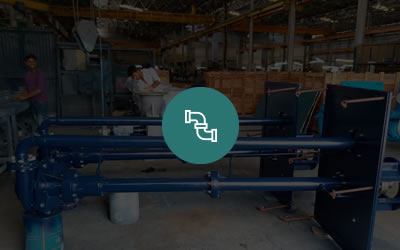
NPSH CALCULATION
Understand the principles of NPSH calculation and the suction conditions that influence centrifugal pump operation.
READ TECHNICAL GUIDE →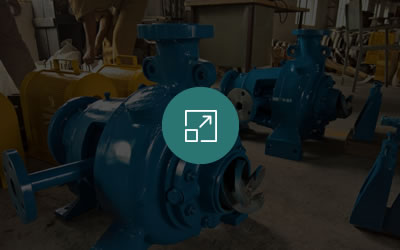
EFFECT OF OVERSIZING PUMPS
Understand how pump oversizing can influence operating conditions, efficiency and overall pump performance.
READ TECHNICAL GUIDE →
CASE STUDY
Review an application-focused case study from SAM Turbo's technical resource collection.
VIEW CASE STUDY →
PIPING DESIGN FOR PULP PUMPS
Technical guidance on piping considerations for pulp pump applications, with focus on suitable suction and discharge arrangements.
READ TECHNICAL GUIDE →EXPLORE BY ENGINEERING TOPIC
Explore key areas of industrial pump engineering, from pump selection and hydraulics to installation, maintenance, troubleshooting and application requirements.
PUMP SELECTION
Flow, head, duty point, NPSH, pump type, materials and operating conditions.
PUMP HYDRAULICS
Pump curves, system curves, operating point, BEP, flow, head and hydraulic performance.
INSTALLATION & COMMISSIONING
Foundation, grouting, leveling, alignment, piping, startup and commissioning practices.
MAINTENANCE & RELIABILITY
Inspection, lubrication, sealing, wear management and practices that support reliable pump operation.
TROUBLESHOOTING
Common pump problems including cavitation, vibration, leakage and performance-related issues.
INDUSTRIAL APPLICATIONS
Pumping requirements across slurry, pulp and paper, chemical, water, mining and process applications.
START WITH THE RIGHT PUMP SELECTION DATA
Pump selection begins with the actual operating duty. Flow, total head, fluid characteristics, temperature, solids, viscosity, suction conditions, materials and operating pattern all influence the final pump configuration.
FLOW & HEAD
Define the actual duty point using the required flow rate and total system head.
FLUID PROPERTIES
Consider density, viscosity, temperature, corrosion, abrasiveness and solids content.
NPSH
Check suction conditions and available NPSH before finalising a centrifugal pump selection.
MATERIALS
Match wetted materials and construction to the fluid, temperature, corrosion and wear conditions.
KNOWLEDGE THROUGH THE PUMP LIFECYCLE
Industrial pump reliability depends on decisions made throughout the equipment lifecycle, from initial selection and installation through operation, maintenance and troubleshooting.
SELECTION
Define the application and duty.
INSTALLATION
Prepare foundation, piping and alignment.
COMMISSIONING
Verify startup conditions and pump performance.
OPERATION
Operate within the intended duty range.
MAINTENANCE
Inspect, lubricate and manage wear.
TROUBLESHOOTING
Diagnose performance and reliability issues.
TECHNICAL KNOWLEDGE FOR DEMANDING INDUSTRIAL DUTIES
Different industrial applications place different demands on pump selection, materials, hydraulics and operating conditions. Explore the key engineering considerations across major industries served by SAM Turbo.
CONTINUE YOUR ENGINEERING REVIEW
Explore additional SAM Turbo resources covering industrial pumps, pump selection, installation, commissioning, maintenance and troubleshooting.
INDUSTRIAL PUMPS
Explore SAM Turbo's industrial pump range and application capabilities.
PUMP SELECTION
Select the right pump based on actual duty and operating conditions.
INSTALLATION
Review foundation, grouting, leveling, handling, alignment and piping requirements.
COMMISSIONING
Review pump startup, operating checks and commissioning requirements.
MAINTENANCE TIPS
Review routine pump inspection, lubrication and maintenance practices.
TROUBLESHOOTING
Diagnose common pump performance, vibration, cavitation and leakage problems.
DOWNLOADS
Access product brochures, operating manuals and technical documentation.
FREQUENT QUESTIONS ABOUT INDUSTRIAL PUMP ENGINEERING
What information is required to select an industrial pump? +
What is NPSH in a centrifugal pump? +
Why is NPSH important? +
What happens when a pump is oversized? +
What is the best operating point for a centrifugal pump? +
Why is pump alignment important? +
How does piping affect pump performance? +
What causes pump vibration? +
What causes pump cavitation? +
How often should an industrial pump be maintained? +
HAVE A PUMPING APPLICATION TO REVIEW?
Share your application, operating conditions and pump requirements with our engineering team for technical guidance.


